We use cookies to make your experience better. To comply with the new e-Privacy directive, we need to ask for your consent to set the cookies. Learn more.



legal cannabis

Age Verification
Please confirm you are over 18 to visit this website
-
- May 20, 2025
Cannabis in the Netherlands: A Grey Area
When I say Grey Area, I'm not talking about the infamous central Amsterdam location that is solidified in the hall of fae with its stickred adorned surfaces, no I'm talking partially the weird reality of cannabis tolerance which has existed since the mid-1970s as well as the new wave modality of licenesed governement certified legal cannabis products. Cannabis has been criminalized since 1953. Yet despite this, personal use and coffeeshop sales have been tolerated since 1976; the Netherlands have also adopted a five plant outdoor limit that will be removed if there are any complaints from neighbours. This reality led to an uncommon situation for a contradictory law where the cannabis coffeeshops themselves could sell Cannabis all they desired, but couldn't legally grow or buy it. But this takes the country that step forward with access that will funadmentally forever shape the regulation of Cannabis moving forward.
The Reform Arguement
-
- July 11, 2024
South Africa has taken a groundbreaking step in cannabis reform by legalizing the cultivation and possession of the plant for personal use. With President Cyril Ramaphosa's final approval, the country has made history as the first African nation to legalize cannabis for personal use.
Legislative Milestone: The Cannabis for Private Purposes Act
On May 28, President Ramaphosa signed the Cannabis for Private Purposes Act, removing cannabis from the Drugs and Drug Trafficking Act. This legislative move marks a significant shift in South Africa's approach to cannabis, laying the groundwork for amendments to several other laws, including the Medicines and Related Substances Act, the Plant Breeders Rights Act, and the Plant Improvement Act. These changes aim to support the industrialization of the cannabis sector.
Protecting Children and Regulating Use
The new law also focuses on the medical administration of cannabis to children, protecting them from undue exposure. It provides alternatives
Recent Posts
-
PureSativa Promotions: Free Seeds, Gifts and Exclusive Offers
 July 21, 2026
 -
Super Dope Rolling Papers Have Arrived at PureSativa
 July 19, 2026
 -
New Arrivals from Night Owl Seeds: The Banana OG Collection Has Landed
 July 14, 2026
 -
New Perfect Tree Cannabis Seeds Arrive at Pure Sativa: Peach Moon Cake, Chillatozz, Bananozz & Venice Peach
 July 10, 2026
 -
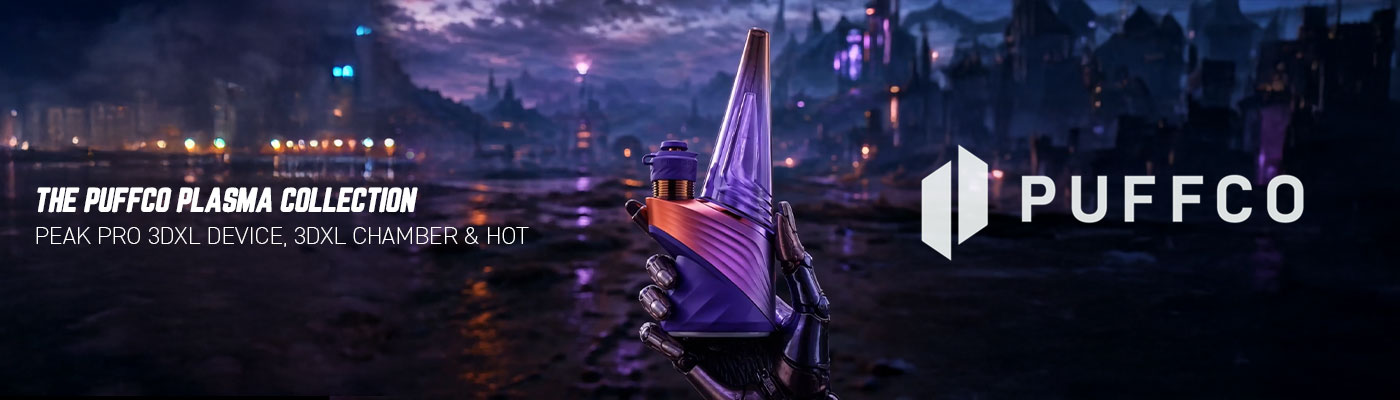
Puffco Plasma Collection Drops Today at Pure Sativa: Peak Pro 3DXL Device, 3DXL Chamber & Hot Knife
 July 8, 2026