We use cookies to make your experience better. To comply with the new e-Privacy directive, we need to ask for your consent to set the cookies. Learn more.



Monthly Archives: April 2022

Age Verification
Please confirm you are over 18 to visit this website
-
- April 14, 2022
We recently sat down with Fidel Hydro of @FidelSeedCo aka @possessiondontmakeyourich to have a conversation in advance of his first drop with us. We discuss his start in the industry, his new facility, the evolution of the hash hole and of course Fidel's Genetics under his seed company Fidel Seed Co! Time to roll up, get comfy and have a read!
Yo Fidel, how are things are going?
F: I'm at our new building now, we've been working om our new facility in Adelanto California for the last few months. There's gonna be 800 flowering lights, we've been working on it for 4-5 months, and we're now at the latter stage of implementing this facility. This has been my day in and day out for the past few months.
That sounds crazy, I can imagine the potential. Are those lights all for staple, signature strains or are you going to be able to do large scale pheno hunts there?
F: It will give me the ability to do pheno hunts at a much larger scale than I've been doing. It's not just going to be pheno
-
- April 06, 2022
In the distant past, when most cannabis was Landrace genetics or hemp that was cultivated in Europe, the terms Cannabis sativa and Cannabis indica were created in order to identify the species. In modern times these terms appear to be frequently conflated with hybrid genetics that displays influences from both subspecies, making for a confusing reality for stoners, medical users or growers of all shapes and sizes. That said, there are reported differences in Indica and Sativa effects, so surely there must be a distinct difference? Read on to discover the history of Cannabis naming lexicons and our discussion of the actual difference in reported effects.
The origins of Cannabis are purportedly Central Asia and the Himalayan foothills, with some wild varieties likely stretching on the fringes of the Middle East all the way to China and Mongolia further up north. As scientific understanding developed; furthermore, biochemical evidence has emerged that supports this hypothesis. However,
Recent Posts
-
PureSativa Promotions: Free Seeds, Gifts and Exclusive Offers
 July 21, 2026
 -
Super Dope Rolling Papers Have Arrived at PureSativa
 July 19, 2026
 -
New Arrivals from Night Owl Seeds: The Banana OG Collection Has Landed
 July 14, 2026
 -
New Perfect Tree Cannabis Seeds Arrive at Pure Sativa: Peach Moon Cake, Chillatozz, Bananozz & Venice Peach
 July 10, 2026
 -
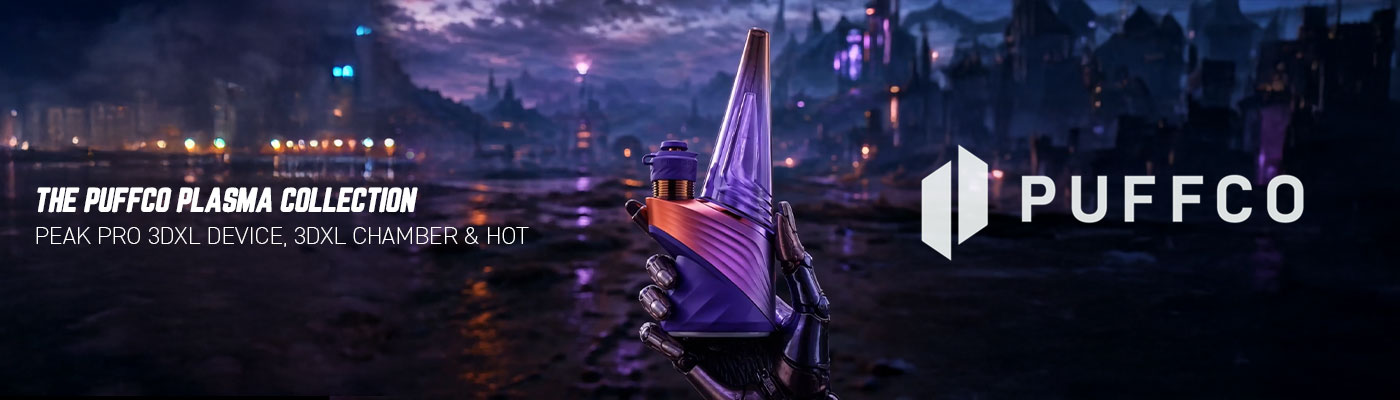
Puffco Plasma Collection Drops Today at Pure Sativa: Peak Pro 3DXL Device, 3DXL Chamber & Hot Knife
 July 8, 2026