We use cookies to make your experience better. To comply with the new e-Privacy directive, we need to ask for your consent to set the cookies. Learn more.



South Africa Legalizes Cannabis for Personal Use

Age Verification
Please confirm you are over 18 to visit this website
-
July 11, 2024
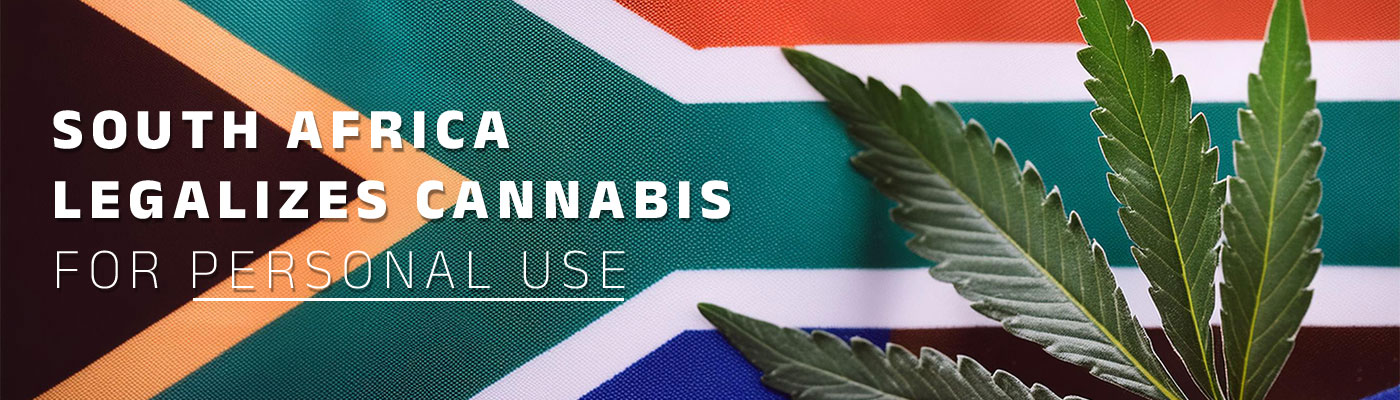
South Africa has taken a groundbreaking step in cannabis reform by legalizing the cultivation and possession of the plant for personal use. With President Cyril Ramaphosa's final approval, the country has made history as the first African nation to legalize cannabis for personal use.
Legislative Milestone: The Cannabis for Private Purposes Act
On May 28, President Ramaphosa signed the Cannabis for Private Purposes Act, removing cannabis from the Drugs and Drug Trafficking Act. This legislative move marks a significant shift in South Africa's approach to cannabis, laying the groundwork for amendments to several other laws, including the Medicines and Related Substances Act, the Plant Breeders Rights Act, and the Plant Improvement Act. These changes aim to support the industrialization of the cannabis sector.
Protecting Children and Regulating Use
The new law also focuses on the medical administration of cannabis to children, protecting them from undue exposure. It provides alternatives for addressing prohibited use and possession by minors, ensuring a balanced approach to legalization. However, it is important to note that the sale of cannabis and the creation of a legal market remain prohibited under the new legislation.
Personal Use Cannabis Regulations
The legislation regulates the possession, cultivation, and use of cannabis for personal purposes by adults, while respecting privacy rights and protecting public health, particularly that of children. According to the new law, anyone 18 years or older can use cannabis in private spaces where the public does not have access as a right.
Permitted Quantities
Adults over the age of 18 may possess:
- Unlimited seeds and seedlings of cannabis plants
- Up to four flowering cannabis plants per person or eight per household (if two or more adults live there) in a private place
- Up to 100 grams of dried cannabis in a public place
- The new law enables each individual to possess up to 600 grams of freshly dried cannabis per person or 1,200 grams per household in a private place
Consumption and Gifting
Adults are permitted to smoke and consume cannabis in private places. They can also gift, without remuneration, up to 30 seeds or seedlings, one flowering plant, or 100 grams of dried cannabis.
Restrictions and Penalties
Despite the freedoms granted by the new law, there are strict regulations in place to ensure safety and compliance:
- However, the law restricts one from being able to consume cannabis or smoking cannabis in a public place..
- Offences include exceeding cultivation and possession limits, failing to ensure cannabis plants are inaccessible to children, or not complying with cultivation standards.
The laws and penalties for cannabis offences can range from financial penalties to imprisonment, depending on the offence's severity and the quantity of cannabis involved.
Historical Context and Future Implications
The journey to legalization has been a long one. In south Afirca, back in 2017, the Western Cape High Court ruled that the current regulation prohibiting adults from privately consuming and cultivating cannabis was unconstitutional, leading to a halt in related prosecutions. There was uncertainity following this but ultimately the decision was decided to be upheld by the Constitutional Court in 2018, which allowed adults to use, possess, and grow cannabis for personal use privately. The government was given 24 months to establish specific regulations, culminating in the recent enactment of the Cannabis for Private Purposes Act.
Economic and Political Factors
The legalization of cannabis for personal use aligns with South Africa's broader economic strategies. The government has identified cannabis as a priority sector for economic growth, alongside the hemp and medical cannabis industries. However, restricting recreational cannabis to personal use only may limit its economic potential.
President Ramaphosa signed the bill into law just before the start of what is expected to be a closely contested national election. The ruling African National Congress party faces a significant challenge in maintaining its majority. The final election results are anticipated by Sunday, according to the independent electoral commission cited by the Associated Press.
Global Context
South Africa's decision to legalize cannabis for personal use reflects a growing trend worldwide. In Europe, countries like Malta, Belgium, and Germany have adopted similar regulatory approaches. On the African continent, Morocco regulated cannabis for medical use in 2021. South Africa's move adds momentum to the global shift towards more progressive cannabis policies. Meanwhile on a recreational side we see there is little change in the British side, however, we do see the medical industry ramping up with companies like The Plug getting involved with the new The Plug Medical Group growing genetics such as our own Grounded Genetics' strains Zerberry, Ozark and RX11 all being grown in the UK.
Conclusion
The legalization of cannabis for personal use in South Africa marks a significant advancement in the country's drug policy. It sets a precedent for other African nations and contributes to the global dialogue on cannabis reform. While the new law opens up opportunities for personal freedom and economic growth, it also emphasizes the importance of regulation and protection, particularly for vulnerable populations like children.
The path ahead will undoubtedly involve continued discussions and adjustments to ensure the successful implementation of this landmark legislation. As South Africa navigates this new territory, the world watches closely, hopeful for the potential benefits and mindful of the challenges that come with such a profound policy change.
Recent Posts
-
New Arrivals from Night Owl Seeds: The Banana OG Collection Has Landed
 July 14, 2026
 -
New Perfect Tree Cannabis Seeds Arrive at Pure Sativa: Peach Moon Cake, Chillatozz, Bananozz & Venice Peach
 July 10, 2026
 -
Puffco Plasma Collection Drops Today at Pure Sativa: Peak Pro 3DXL Device, 3DXL Chamber & Hot Knife
 July 8, 2026
 -
RipTip Review: Premium Reusable Glass Tips at Pure Sativa
 July 7, 2026
 -
New Archive Seedbank Strains at Pure Sativa: 8 Regular Seeds Now Available
 July 3, 2026