We use cookies to make your experience better. To comply with the new e-Privacy directive, we need to ask for your consent to set the cookies. Learn more.




Age Verification
Please confirm you are over 18 to visit this website
Digital scales have become an essential tool in our daily lives, offering precise measurements for a variety of applications. Whether you're cooking, monitoring your health, or working in a lab, digital scales provide accuracy and convenience. But with so many options available, how do you choose the right one? Let's dive into the world of digital scales and explore their features, benefits, and how to select the perfect model for your needs.
Types of Digital Scales
Pocket Scales
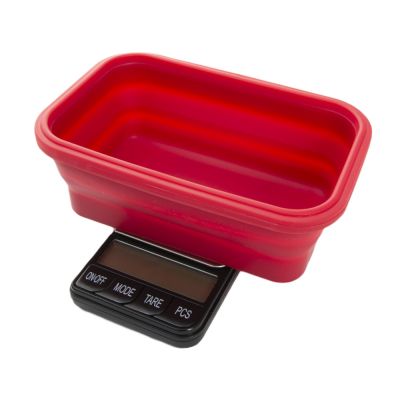
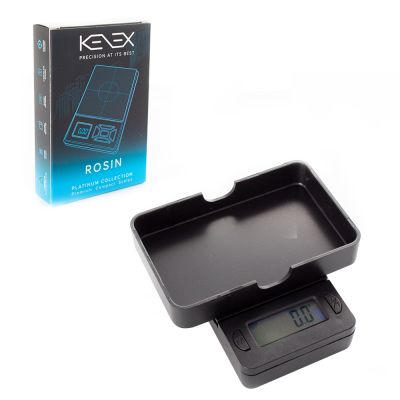
Pocket scales are small, portable devices ideal for on-the-go measurements. They are commonly used for weighing small items like herbs, spices, or jewelry. Despite their compact size, they offer high accuracy and are a popular choice for personal use.
Kitchen Scales
Kitchen scales are designed for culinary purposes, helping you measure ingredients with precision. Whether you're baking a cake or preparing a gourmet meal, these scales ensure you use the right amounts, enhancing your cooking results.
Bathroom Scales
Bathroom scales are a staple in many households, used for monitoring body weight and health metrics. Modern digital bathroom scales often come with additional features like body fat percentage, BMI calculations, and even Bluetooth connectivity to sync with health apps.
Industrial Scales
Industrial scales are robust devices used in manufacturing, shipping, and other heavy-duty applications. They are built to handle large weights and offer features like tare functions, multiple unit measurements, and high durability.
Features to Look for in Digital Scales
When selecting a digital scale, consider the following features to ensure you get the best performance and value:
Accuracy
Accuracy is paramount in a digital scale. Look for models that offer high precision, usually within a small margin of error. This ensures your measurements are reliable and consistent.
Capacity
Capacity refers to the maximum weight a scale can measure. Choose a scale that fits your needs, whether it's for weighing small items or heavier objects.
Units of Measurement
A good digital scale should offer multiple units of measurement, such as grams, ounces, pounds, and kilograms. This versatility makes it easier to use for various applications.
Portability
If you need a scale that's easy to carry around, opt for a portable model. Pocket scales and some kitchen scales are designed with portability in mind, making them convenient for travel or moving between different locations.
Durability
Durability is crucial, especially for scales used in demanding environments. Look for models made from sturdy materials that can withstand frequent use and potential impacts.
How to Choose the Right Digital Scale
Determine Your Needs
First, identify what you'll be using the scale for. Different applications require different features, so knowing your needs will help narrow down your options.
Check the Specifications
Review the specifications of various models to ensure they meet your requirements. Pay attention to details like accuracy, capacity, and additional features.
Read Reviews and Ratings
Customer reviews and ratings can provide valuable insights into a scale's performance and reliability. Look for feedback on accuracy, ease of use, and durability to make an informed decision.
Benefits of Using Digital Scales
Precision and Accuracy
Digital scales offer unmatched precision, making them ideal for tasks that require exact measurements. Whether you're cooking, weighing precious metals, or conducting experiments, accurate measurements are crucial.
Ease of Use
Digital scales are user-friendly, with clear displays and simple controls. Many models also come with additional features like tare functions, auto-off, and backlit displays for easy reading.
Time-Saving
With digital scales, you can quickly obtain accurate measurements without the need for manual calculations. This saves time and ensures efficiency in your tasks.
Versatility
Digital scales are versatile tools that can be used in various settings, from the kitchen to the laboratory. Their ability to measure different units makes them suitable for a wide range of applications.
Popular Brands of Digital Scales
Kenex
Kenex is known for its high-quality scales used in the kitchen, education, and industrial settings. Their products are renowned for their accuracy and durability.
Digital Scales for Specific Uses
Cooking and Baking
In the kitchen, digital scales are indispensable for measuring ingredients accurately. This ensures consistency in your recipes and improves the quality of your dishes.
Fitness and Health
For those monitoring their health, digital bathroom scales provide essential data like body weight, fat percentage, and more. These scales help track progress and maintain fitness goals.
Jewelry and Precious Metals
Jewelry scales are designed to measure small, valuable items with high precision. They are essential for jewelers and anyone dealing with precious metals.
Laboratory and Scientific Research
In labs, accuracy is critical. Digital scales used in scientific research offer precise measurements necessary for experiments and data collection.
Maintaining Your Digital Scale
Regular Cleaning
Keep your scale clean to ensure accurate readings. Use a soft cloth and avoid harsh chemicals that could damage the device.
Calibration
Regular calibration is essential for maintaining accuracy. Follow the manufacturer's instructions to calibrate your scale correctly.
Battery Replacement
Replace the batteries as needed to ensure your scale functions properly. Most digital scales will indicate when the batteries are low.
Common Mistakes to Avoid
Overloading the Scale
Avoid exceeding the scale's maximum capacity, as this can damage the device and lead to inaccurate readings.
Ignoring Calibration
Neglecting to calibrate your scale can result in incorrect measurements. Regular calibration ensures consistent accuracy.
Using on Uneven Surfaces
Place your scale on a flat, stable surface to get accurate readings. Uneven surfaces can affect the measurement results.
Innovations in Digital Scale Technology
Smart Scales
Smart scales connect to your smartphone or other devices, allowing you to track and analyze your measurements over time. This is especially useful for fitness and health monitoring.
Connectivity Features
Many modern scales come with Bluetooth or Wi-Fi connectivity, enabling seamless data transfer and integration with other devices.
Advanced Sensors
Newer scales feature advanced sensors that enhance accuracy and provide more detailed measurements. These innovations make digital scales more reliable and versatile.
Environmental Considerations
Energy Efficiency
Choose scales that are energy-efficient to reduce power consumption. Some models come with auto-off features to save battery life.
Sustainable Materials
Look for scales made from sustainable or recyclable materials. This helps reduce environmental impact and supports eco-friendly practices.
Frequently Asked Questions About Digital Scales
How do digital scales work?
Digital scales use electronic sensors to measure weight. When an object is placed on the scale, the sensors detect the force exerted and convert it into a digital readout.
Can digital scales measure in different units?
Yes, most digital scales can measure in multiple units such as grams, ounces, pounds, and kilograms. You can switch between units using a button on the scale.
Are digital scales more accurate than analog scales?
Generally, digital scales are more accurate than analog scales. They offer precise measurements and are less prone to errors.
How often should I calibrate my digital scale?
It's recommended to calibrate your digital scale every few months, or whenever you notice inconsistencies
- Out of Stock
![]()
-
![]()
-
![]()
- Out of Stock
![]()
- Out of Stock
![]()
-
![]() -30%Matrix Compact Precision Digital Scales (Classic Collection) by KenexKenexAs low as £10.50 Regular Price £15.00
-30%Matrix Compact Precision Digital Scales (Classic Collection) by KenexKenexAs low as £10.50 Regular Price £15.00 -
![]()
- Out of Stock
![]() Notebook Digital Precision Scales (Classic Collection) by KenexKenex£30.00Add to CompareOut of stock
Notebook Digital Precision Scales (Classic Collection) by KenexKenex£30.00Add to CompareOut of stock



Shop By
Shopping Options