We use cookies to make your experience better. To comply with the new e-Privacy directive, we need to ask for your consent to set the cookies. Learn more.



Glass Tips Versus Carboard Filter Tips

Age Verification
Please confirm you are over 18 to visit this website
-
July 24, 2024
Introduction
The mouthpiece, aka the roach, the filter or the tip, is a crucial component of the smoking experience, providing structure to your roll, a mouthpiece to inhale from and enhancing the overall enjoyment of the process.
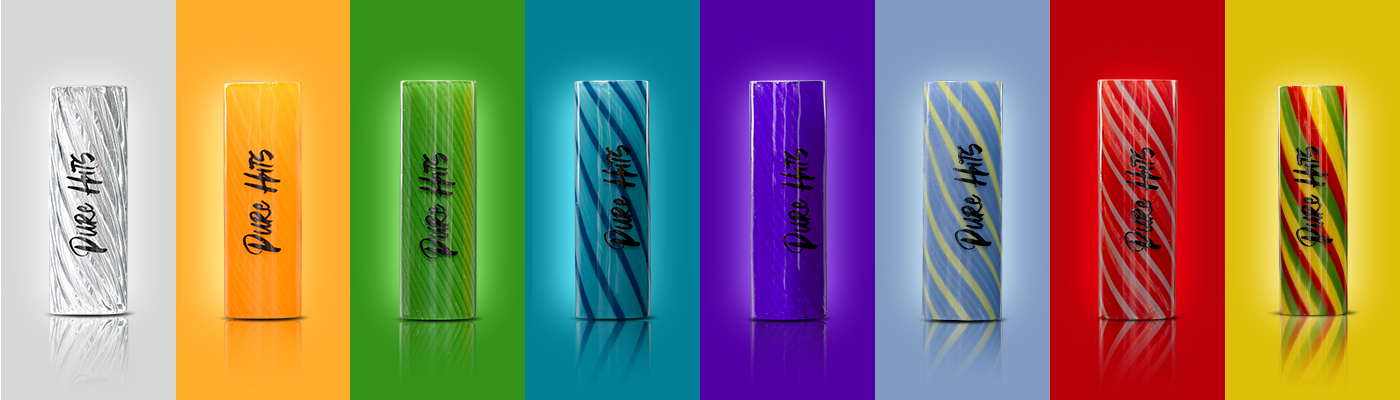
This article will analyse two popular types of joint tips: cardboard tips, such as Raw rolling tips, and glass tips, such as the Pure Hits Tip. By exploring their benefits, disadvantages, and prospects, we aim to provide a comprehensive guide to help smokers make an informed choice.
History
The use of joint tips has evolved significantly over the years. Initially, tokers would have used whatever was available, with ripped-up Rizla packets, aka smoking paper packets, leading to quick makeshift solutions like pieces of cardboard from cigarette packs. This improvised method eventually led to the creation of dedicated cardboard tips, which became famous for their simplicity and effectiveness. The advent of glass tips marks a significant innovation, offering a more refined and durable alternative that appeals to discerning smokers looking for an elevated experience.

Types and Categories of Joint Tips
Cardboard Tips: Raw Rolling Tips
Features:
- Made from natural, unrefined paper
- Available in perforated and non-perforated options
- Various sizes and shapes
Usage:
- Simple to roll and customise to your favourite style, many smokers make an S-shaped roach or even a W, depending on their preference.
- The customizability allows you to create a smoking style unique to you
- Disposable and easy to replace
- Increases resistance compared to glass tips, can be altered by rolling a large single hole paper tip but this increases the chance of inhaling particles.
- Cheap
Glass Tips: Pure Hits Tip

Features:
- Crafted from high-quality borosilicate glass
- Available in different diameters and lengths
- Comes in basic clear options, one-tone designs or intricate colour options
Usage:
- Provides a cooler, smoother hit
- Reusable and easy to clean
- Much better flavour profile
- Much less resistance, more akin to smoking from a bong.
- You have to clean them
- More expensive than paper tips
- Can break
Benefits of Cardboard Tips
Cardboard tips, such as Raw rolling tips, are popular for several reasons. They are highly affordable, making them accessible to many smokers. Their ease of use is another significant advantage, as they can be quickly rolled and customised to fit any joint size. Additionally, cardboard tips have a relatively low environmental impact, especially when made from recycled or sustainable materials. However despite this when compared to reusable glass tips they are much less environmentally friendly.
Benefits of Glass Tips
Glass tips offer a host of benefits that enhance the smoking experience. They provide a cooler and smoother hit by dissipating heat more effectively than cardboard. The reusability of glass tips makes them a cost-effective choice in the long run, and their durability ensures they can withstand repeated use. Furthermore, glass tips add an aesthetic appeal to joints, often featuring intricate designs that make them stand out. They are reusable so overtime will contribute to less production waste.
Comparative Analysis
Cost Comparison
Cardboard tips are generally much cheaper than glass tips. While cardboard tips are disposable and must be replaced regularly, glass tips are a one-time investment that can last years with proper care.
Usability Comparison
Cardboard tips are easier to use, especially for beginners. They require minimal maintenance and can be quickly rolled into a joint. Glass tips, on the other hand, offer a superior smoking experience but need regular cleaning to maintain their performance.
Health Impact Comparison
Glass tips are considered healthier than cardboard as they do not burn and, therefore, do not release harmful chemicals when smoked. They also cool the smoke, reducing the harshness on the throat and lungs.
Environmental Impact Comparison
Cardboard tips, particularly those made from recycled materials, have a lower environmental impact. However, their disposable nature means they contribute to waste. Glass tips, being reusable, are more environmentally friendly in the long term but require resources for production.
User Experiences
Testimonials from Cardboard Tip Users
Many users appreciate the simplicity and affordability of cardboard tips. They find them easy to roll and customise, making them a convenient choice for everyday smoking.
Testimonials from Glass Tip Users
Users of glass tips often highlight the enhanced smoking experience. They enjoy the cooler, smoother hits and the durability of the tips, finding them worth the initial investment.
Expert Insights
Interviews with Smoking Accessory Experts
Experts in smoking accessories often recommend glass tips for serious smokers who prioritise quality. They highlight the longevity and superior performance of glass tips compared to cardboard.
Health Professional Opinions
Health professionals note that glass tips are less harmful than cardboard tips due to the absence of combustion. They recommend glass tips for smokers who want to minimise health risks.
Challenges and Limitations
Cardboard Tips: Limitations
Cardboard tips are less durable than glass tips and can degrade when exposed to moisture. They also do not provide the same level of cooling as glass tips.
Glass Tips: Limitations
Glass tips can be fragile and require careful handling to avoid breakage. They also necessitate regular cleaning to maintain their performance and appearance.

Maintenance and Care
Cleaning Cardboard Tips
Cardboard tips do not require cleaning and are disposed of after use. This convenience is one of their main advantages.
Cleaning Glass Tips
Glass tips should be cleaned regularly using isopropyl alcohol or specialised cleaning solutions. This ensures they remain free of residue and continue to provide a smooth smoking experience.
Latest Innovations
New Designs in Cardboard Tips
Manufacturers constantly innovate with cardboard tips, introducing new shapes and perforations to enhance usability.
New Designs in Glass Tips
Glass tips are seeing exciting new designs, including custom artwork and ergonomic shapes that improve the smoking experience.
Future Prospects
Trends in Smoking Accessories
The trend in smoking accessories is moving towards more sustainable and health-conscious options. Glass tips are expected to grow in popularity as more smokers seek higher quality and durability.
Predictions for Joint Tip Development
Future developments in joint tips may include hybrid materials that combine the benefits of both cardboard and glass. Advances in manufacturing technology could also lead to more affordable glass tips.
Conclusion
In conclusion, cardboard and glass tips have unique advantages and limitations. Cardboard tips are affordable, easy to use, and customisable, making them an excellent choice for casual smokers. Glass tips, while more expensive, offer a superior smoking experience, durability, and aesthetic appeal. The choice ultimately depends on individual preferences and priorities. For those looking for a high-quality, long-lasting option, glass tips are an excellent investment.
FAQs
Are glass tips worth the investment?
Yes, glass tips are worth the investment for smokers prioritising a superior smoking experience, durability, and aesthetic appeal.
How often should you clean glass tips?
Glass tips should be cleaned after every few uses to maintain performance and prevent residue buildup.
Can cardboard tips be reused?
Cardboard tips are generally not designed for reuse and are intended to be disposable.
What are the environmental impacts of both types of tips?
Cardboard tips, especially those made from recycled materials, have a lower initial environmental impact but contribute to waste. Glass tips, on the other hand, are more environmentally friendly in the long term due to their reusability.
Recent Posts
-
New Arrivals from Night Owl Seeds: The Banana OG Collection Has Landed
 July 14, 2026
 -
New Perfect Tree Cannabis Seeds Arrive at Pure Sativa: Peach Moon Cake, Chillatozz, Bananozz & Venice Peach
 July 10, 2026
 -
Puffco Plasma Collection Drops Today at Pure Sativa: Peak Pro 3DXL Device, 3DXL Chamber & Hot Knife
 July 8, 2026
 -
RipTip Review: Premium Reusable Glass Tips at Pure Sativa
 July 7, 2026
 -
New Archive Seedbank Strains at Pure Sativa: 8 Regular Seeds Now Available
 July 3, 2026