We use cookies to make your experience better. To comply with the new e-Privacy directive, we need to ask for your consent to set the cookies. Learn more.



Cannabis Terpenes

Age Verification
Please confirm you are over 18 to visit this website
-
November 13, 2024
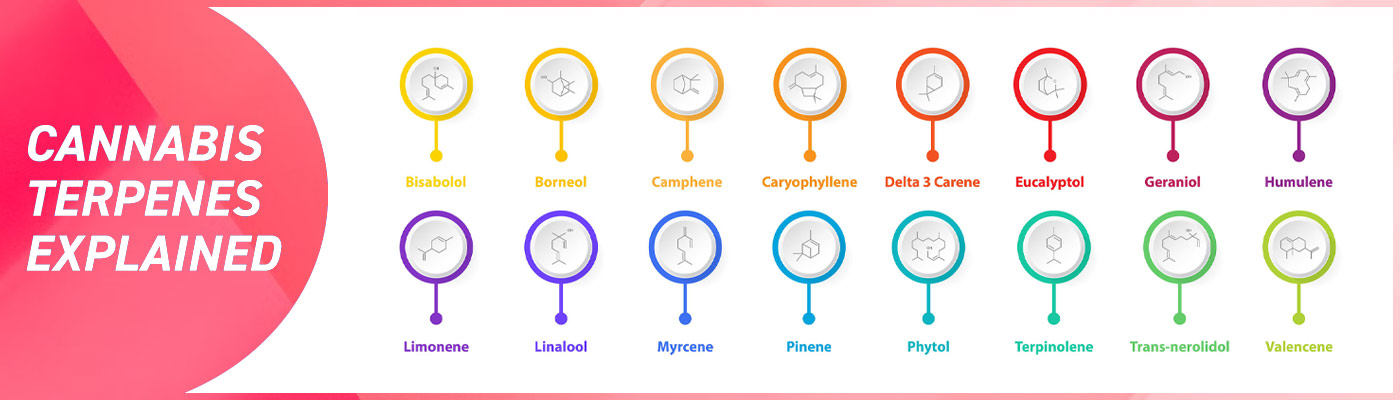
When one takes a step into the intricate world, one may already have had a tasting course into the significant cannabinoids such as THC and CBD, which play a pivotal role in the effects and benefits cannabis provides. However, there is another profoundly essential component that contributes significantly to the experience and therapeutic properties of cannabis—terpenes; this type of compound has been a rapidly expanding area of focus in recent years.
Terpenes are incredibly aromatic compounds that cause a wide array of flavours and aromas off-gassed by plants when you smell them. They go far beyond merely pleasing the senses. Terpenes are thought to modulate the effects of cannabis on the human body, creating a phenomenon known as the “entourage effect,” where cannabinoids and terpenes work synergistically to create unique experiences. The idea that terpenes provide therapeutic benefits can be seen through aromatherapy, where certain essential oils invoke feelings of relaxation.
This article examines some of the most frequently encountered terpenes in modern cannabis genetics, their distinct characteristics, potential therapeutic benefits, and the roles they play in crafting the diverse effects they can offer.
What Are Terpenes?

Terpenes are natural compounds in various plants, including herbs, fruits, and flowers. These compounds give plants their characteristic aromas, like the refreshing scent of pine forests, citrus zest, or lavender's floral notes. In cannabis, terpenes contribute not only to the sensory experience but also to the therapeutic and psychoactive effects. From an evolutionary standpoint, plants develop terpenes in order to both attract pollinators and reject predators.
Terpenes can be impacted by a number of different factors, including:
- Soil Type
- Climate
- Harvest Time
- Plant maturity
The Entourage Effect
The entourage effect refers to the idea that terpenes interact with cannabinoids like THC and CBD, enhancing or modifying their effects. For instance, some terpenes produce calming effects, which may complement CBD, while others have energizing properties that may enhance THC’s effects. This interaction has piqued the interest of both cannabis consumers and researchers, as it hints at the potential for crafting cannabis strains tailored for specific moods or therapeutic goals.
Let’s explore some of the most common terpenes found in cannabis, their effects, and how they contribute to the cannabis experience.
Myrcene
- Aroma: Earthy, musky, with a hint of fruity sweetness
- Found In: Mango, thyme, hops, lemongrass
Myrcene is one of the most abundant terpenes in cannabis, often constituting up to 65% of a strain’s terpene profile. Known for its earthy and musky scent with fruity undertones, myrcene is usually linked to the “couch-lock” effect, a deep, relaxing sensation that some strains are known to induce.
Potential Benefits:
- Relaxation and Sedation: Myrcene is recognized for its soothing properties, making it ideal for those seeking relief from stress, anxiety, or insomnia.
- Anti-inflammatory and Pain Relief: Research suggests myrcene may also offer anti-inflammatory and analgesic (pain-relieving) effects, making it a popular choice for chronic pain patients
Strains high in myrcene include OG Kush hybrids such as Sweatband OG and Scotts OG.

Limonene
- Aroma: Citrus, lemon, orange
- Found In: Citrus rinds, juniper, peppermint
As its name suggests, limonene has a strong citrus aroma reminiscent of lemons and oranges. It’s the second most common terpene in nature and is present in various citrus fruits and household cleaning products; it is known for its uplifting scent and potential mood-boosting properties.
Potential Benefits:
- Mood Enhancement: Limonene is believed to elevate mood and reduce stress, making it suitable for those dealing with mild anxiety or depression.
- Antibacterial and Antifungal: Limonene has demonstrated antimicrobial properties, which could make it valuable for immune support.
- Digestive Health: Some studies suggest it may help with acid reflux or gastric issues.
Common strains high in limonene include Where's My Bike V2 , Sour Diesel, Sour Diesel Bx2 and Sweet Lemon Razzlez.
Pinene
- Aroma: Pine, forest, fresh
- Found In: Pine needles, rosemary, basil
Pinene, as its name implies, gives cannabis strains a refreshing, pine-like aroma. This terpene is found in coniferous trees and herbs such as rosemary and basil. It promotes alertness and may counteract some of the memory-impairing effects of THC.
Potential Benefits:
- Alertness and Memory: Pinene is associated with improved focus and memory retention. It’s also considered one of the few terpenes that can mitigate the short-term memory loss caused by THC.
- Anti-inflammatory: Pinene has anti-inflammatory properties, which could benefit those with arthritis or asthma.
- Bronchodilator: Pinene is a natural bronchodilator, meaning it can improve airflow to the lungs, which may benefit those with respiratory conditions.
Notable strains containing pinene include Sweatband OG, OG-Tini, and Chem D-Light.
Linalool
- Aroma: Floral, lavender, spice
- Found In: Lavender, coriander, mint
Linalool is renowned for its floral, lavender-like scent, which evokes a sense of calm and relaxation. It’s commonly used in aromatherapy for its soothing effects and is one of the terpenes believed to have potent anti-anxiety properties.
Potential Benefits:
- Relaxation and Anxiety Relief: Linalool is widely recognized for its calming effects, making it popular for those dealing with anxiety or insomnia.
- Pain Relief and Anti-Inflammatory: Like many terpenes, linalool has pain-relieving and anti-inflammatory properties, which may make it helpful for chronic pain management.
- Antidepressant: Some studies suggest linalool could also help improve mood, contributing to its potential use in treating mood disorders.
Cannabis strains high in linalool include Amnesia Haze, Lavender, and Cataract Kush.

Caryophyllene
- Aroma: Spicy, peppery, clove-like
- Found In: Black pepper, cloves, cinnamon
Caryophyllene is unique because it’s the only terpene known to interact directly with the CB2 receptors in the endocannabinoid system, typically targeted by cannabinoids like CBD. This unique interaction gives caryophyllene notable anti-inflammatory properties.
Potential Benefits:
- Pain and Inflammation: Caryophyllene’s interaction with CB2 receptors makes it particularly effective for pain and inflammation relief.
- Anxiety and Stress: Its potential effects on mood and stress make it beneficial for those looking to reduce anxiety without heavy sedation.
- Digestive Health: Caryophyllene’s anti-inflammatory properties may benefit those with gastrointestinal issues.
Popular strains high in caryophyllene include French Cookies, Cookie Balboa, and Chocolate Wafflez.
Terpinolene
- Aroma: Fruity, floral, piney, herbal
- Found In: Lilacs, nutmeg, cumin
Terpinolene is less common than other terpenes and has a complex, multi-layered aroma that combines floral, piney, and citrusy notes. It’s believed to have a more uplifting effect, making it a terpene often associated with energy and focus.
Potential Benefits:
- Uplifting and Energizing: Terpinolene’s potential uplifting effects make it ideal for those looking for a cannabis experience that’s more stimulating than soothing.
- Antioxidant: It has shown antioxidant properties, suggesting a potential role in protecting cells from damage.
- Antibacterial and Antifungal: Terpinolene also exhibits antimicrobial properties, making it useful for immune support.
Strains containing terpinolene include Tangie Ghost Train Haze, Ghost Train Haze, and Hazana.
Humulene
- Aroma: Earthy, woody, spicy
- Found In: Hops, sage, ginseng
Humulene is known for its earthy and woody scent and is often found in hops (used in beer). It’s known for its anti-inflammatory and appetite-suppressing effects, making it a unique terpene with distinct properties.
Potential Benefits:
- Anti-inflammatory: Humulene’s strong anti-inflammatory properties make it useful for those managing pain and inflammation.
- Appetite Suppressant: Interestingly, humulene is known for its appetite-suppressing qualities, making it a potential choice for those looking to reduce hunger.
- Antibacterial: Like many terpenes, humulene has antimicrobial properties, further supporting immune health.
Strains rich in humulene include Sweetopia, White Noise, and Seriotica.

Conclusion
The world of cannabis terpenes is diverse, offering a spectrum of aromas, flavours, and potential therapeutic benefits. From the calming effects of myrcene and linalool to the energizing qualities of pinene and terpinolene, terpenes are essential to crafting the unique effects and experiences of different cannabis strains. They’re more than just aromas; they contribute to the synergy with cannabinoids, creating the entourage effect that enhances the holistic impact of cannabis.
Whether you’re a recreational consumer looking for a specific experience or a medical patient seeking symptom relief, understanding the role of terpenes can help you select strains that align with your goals. As research continues, we may uncover even more about how these fascinating compounds interact with our bodies and minds, further unlocking the potential of cannabis.


Recent Posts
-
PureSativa Promotions: Free Seeds, Gifts and Exclusive Offers
 July 21, 2026
 -
Super Dope Rolling Papers Have Arrived at PureSativa
 July 19, 2026
 -
New Arrivals from Night Owl Seeds: The Banana OG Collection Has Landed
 July 14, 2026
 -
New Perfect Tree Cannabis Seeds Arrive at Pure Sativa: Peach Moon Cake, Chillatozz, Bananozz & Venice Peach
 July 10, 2026
 -
Puffco Plasma Collection Drops Today at Pure Sativa: Peak Pro 3DXL Device, 3DXL Chamber & Hot Knife
 July 8, 2026